
How To Brew Kombucha at Home + A 1 Gallon Kombucha Tea Recipe!

I love homemade recipes that are as simple as they are rewarding! And the fun, versatile, and very forgiving world of kombucha is a great one to dive into. Let’s get started on how to brew 1 gallon of kombucha tea at home, what equipment you need, and how long it typically takes.
Brewing homemade kombucha can feel a bit uncertain at first, but it will quickly become second nature after your first few batches. With a handful of basic tools, a SCOBY, some time, and a bit of patience, you can make consistently delicious kombucha that’s tastier and far less expensive than store‑bought.
This homebrew guide will walk you through everything you need to know: equipment, ingredients, the first ferment, the second ferment, and one of our favorite practical recipes using fresh ginger.

So What Is Kombucha, Anyway?
Kombucha is just fermented tea. Sweetened tea is fermented by a SCOBY (which is an acronym for a Symbiotic Culture Of Bacteria and Yeast) that consumes sugar and produces acids, probiotics, trace amounts of alcohol, and natural carbonation.
When the SCOBY does it’s work, the result is a lightly fizzy and tangy drink that can be flavored with so many great fruits, herbs, and spices.
Equipment You’ll Need
The great news is that don’t need much fancy gear… but a few dedicated tools do make the process smoother and safer.
Glass Brewing Containers (1‑Gallon)
You’ll need at least one 1‑gallon glass container; I would recommend two, if you have the space. You can use either solid glass containers or a glass container with a spigot (I use both). Use glass and not metal.
I use two jars, which allows me to stagger batches so I always have some kombucha brewing, but you can get away with just one jar. I found that wide‑mouth jars are easiest for adding and removing the SCOBY between batches.
I use these 1-gallon glass jars, and I also use a larger spigot jar for easy pouring – similar to this model.
A SCOBY And Starter Tea
As I mentioned above, a SCOBY is required to start the fermentation, along with 1-2 cups of starter tea. I actually bought this one online, and it’s been making really fantastic kombucha.
You can also get a SCOBY from a friend, or grow one yourself from raw and unflavored store‑bought kombucha. You just want to be sure the starter tea is unflavored.

Bottles for Finished Kombucha
Once your kombucha goes through it’s first ferment cycle, you should keep kombucha in pressure‑safe bottles. I use these swingtop (grolsch style) bottles that I got online. You can use any size, but 16 and 32 ounce bottles are most common (I use 33 ounce, 1 liter bottles).
You want to be sure you use thick glass kombucha bottles that are designed to handle carbonation. Decorative or thin glass can break under pressure, so be sure to avoid those.
Cheesecloth or Nut Milk Bags
You’ll also need something breathable to cover the brewing jar. You can use breathable cotton, cheesecloth, or a fine mesh nutmilk bag (I use these bags, which I also use to make almond milk), which work great.
You’ll want to cover your jars to keep dust and fruit flies out, while allowing airflow to the kombucha in the jars.
Optional but Helpful Tools
- A kettle or pot for brewing hot water for the tea.
- Wooden or silicone spoon to stir
- A plastic or silicone funnel for bottling
- I find that using a kitchen thermometer helps me regulate the temprature of my kombucha.
- Juicer (for fresh fruit juice during second ferment) – not needed, but we use a juicer and it’s been a game-changer in getting really amazing fresh fruit and ginger juice.
Ingredients You’ll Need
For 1 gallon of kombucha, you’ll need:
- Water – I use regular tap water for this, but you can use filtered or purified water if desired.
- 2 tablespoons loose‑leaf black or green tea (or 6-8 tea bags)
- White sugar, which helps start fermentation
- A SCOBY
- 1 to 2 cups starter tea
Important Notes
Use plain white sugar to start. Honey, maple syrup, or alternative sweeteners can affect the SCOBY.
Start with green or black tea, and avoid flavored teas, herbal teas, or oils (like bergamot in Earl Grey) during the first ferment.
Step-By-Step Photos for the First Fermentation
This is where the base kombucha tea is created!

Step 1: Bring 4 to 6 cups of water to a boil. Add the tea and steep for about 10 minutes.

Step 2: Stir in 1 cup sugar while the tea is hot. Stir until the sugar is fully dissolved.

Step 3: Pour the tea ito your clean gallon jar. Add the remaining water to bring the total volume to just shy of the full gallon. Let the tea cool to between 75-85 degrees Fehrenheit.

Step 4: To your sweet tea, add the starter tea, then gently place the SCOBY on top (it may float or sink – either is fine).

Step 5: Cover the open jar top with cheesecloth or a nut milk bag and secure with a rubber band. Place the jar somewhere warm and out of direct sunlight. Allow the tea to ferment for 7-10 days.

Step 6: After the tea has fermented, it should be tangy, sweet, and a bit acidic. Then it’s ready for it’s second fermentation.
The Second Ferment (Flavoring & Carbonation)
The second ferment (or F2) is where your kombucha will get its flavor and fizz. At this stage you add fresh fruit juice, herbs, or spices to your starter tea you made during the first fermentation. This phase is done without a scoby, and the tea is fermented directly in glass bottles.
Step 1: If you are making another batch of kombucha, be sure to save 1-2 cups of the tea for your next batch, set this and the SCOBY aside.

Step 2: Add your fresh juice to the bottom of your brewing bottles. The bottles should be about 10% full of juice.

Step 3: Fill the bottle with the tea, leaving an inch or two at the top for space. Let the tea ferment at room temperature for 2-5 days. You can open, or burp, the bottles each day until it reaches the carbonation level you desire.
Step 4: Once the kombucha has reached the carbonation level you like, refrigerate the bottles. The refrigeration will stop any further fermentation. Once cooled, pour yourself a glass and enjoy!
A Note on Fresh Juice vs Store-Bought
When you do the second ferment, you’ll need some juice to add a bit of sugar and also flavor your kombucha. You can use store-bought juice, or with fresh juice made in a juicer (if you have one). I highly recommend using fresh juice, becuase it produces great carbonation, isn’t pasturized like bottled juices can be, and has a wonderful fresh flavor.
I’ve made kombucha with both fresh and bottled juices – and either works… but I have found my best results come from fresh juice. If you have a juicer, I highly recommend getting it out and starting there!
What juices to use?
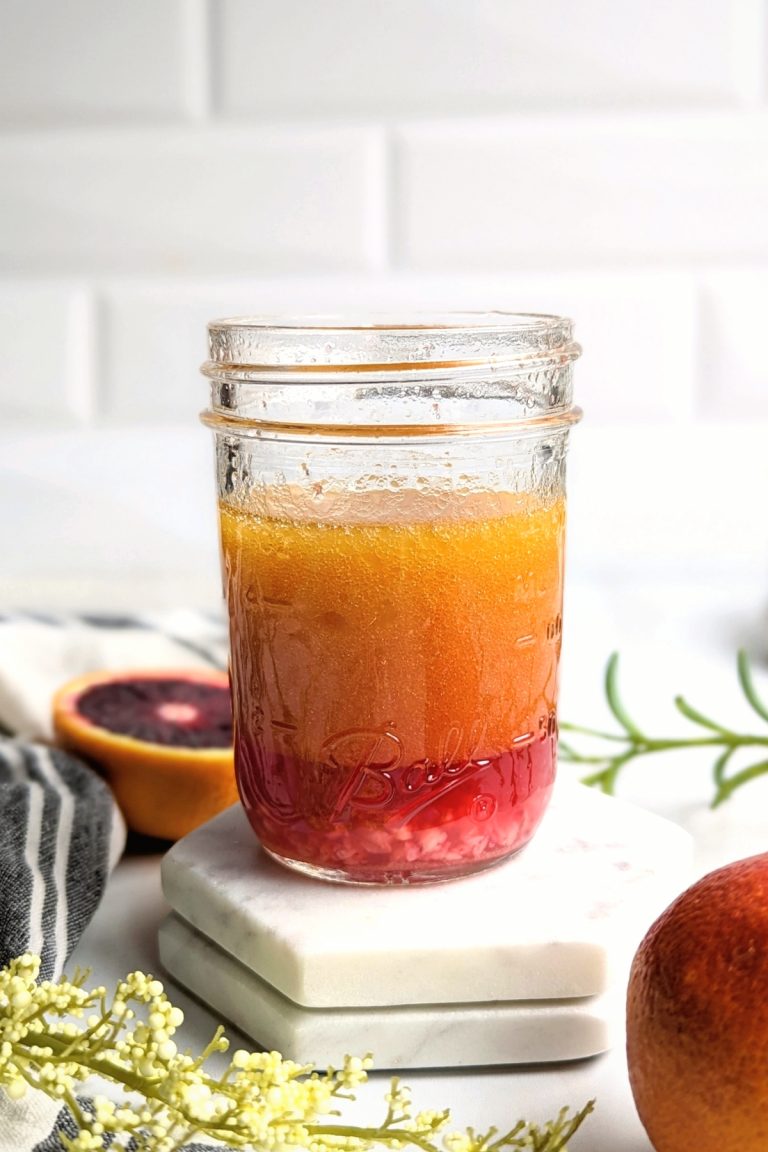
Try sweet juices like apple, pineapple, carrot, oranges, mango, or citrus fruits. Those paired with ginger or fresh herbs taste delicious!
FAQ & Troubleshooting
This section covers the most common questions and issues that come up when brewing kombucha at home. Almost every brewer encounters these at some point—most are normal and easy to fix.
Mold can be one of the biggest concerns with making your own kombucha – but it’s very distinct. Mold will look fuzzy, dry, or powdery in texture and usually is white, blue, green, or even black. It will sit on top of the liquid. If you do have mold, discard the SCOBY and whole batch of tea, and thoroughly clean all jars and utensils before starting again.
If your kombucha tastes too sweet, then it usually hasn’t fermented long enough. You can ferment it for another few days, or move the jar into a warmer spot in your home which can speed up fermentation.
That means that your kombucha has fermented too long – but it can be saved! You can use it as starter tea for your next batch of kombucha, or dilute it with a bit of fresh tea for a more mild flavor.
It is just the yeast, and it’s completely normal to have some at the bottom of your kombucha jar or on your SCOBY. If there is a lot, you can strain it out.

Want More Fermentation In Your Life?
Sourdough starter is another great way to get more fermentation in your life. You can try our sourdough panzanella, sourdough brioche bread recipe, and our favorite sourdough Hawaiian bread!
Let’s connect on social!
If you made this recipe, please leave a star rating and let me know how it went in the comments below. I’d love to hear from you!

Our cookbook One Ingredient, Five Ways has tasty no-waste plant-based recipes for everyone!

1 Gallon Kombucha Tea
Equipment
- One 1-Gallon Jar
- Cheesecloth, or Nut Milk Bag
- Swing-Top Bottles
Ingredients
- 2 tablespoons black or green tea or 6-8 teabags
- 4 quarts water
- 1 cup white sugar
- 1 SCOBY
- 1-2 cups starter tea
- 1.5 cups apple juice fresh, or bottled
- 2 inches ginger root grated or juiced
Instructions
The First Ferment
- Bring 4 to 6 cups of water to a boil. Add the tea and steep for about 10 minutes.
- Stir in 1 cup sugar while the tea is hot. Stir until the sugar is fully dissolved.
- Pour the tea ito your clean gallon jar. Add the remaining water to bring the total volume to just shy of the full gallon. Let the tea cool to between 75-85 degrees Fehrenheit.
- To your sweet tea, add the starter tea, then gently place the SCOBY on top (it may float or sink – either is fine).
- Cover the open jar top with cheesecloth or a nut milk bag and secure with a rubber band. Place the jar somewhere warm and out of direct sunlight. Allow the tea to ferment for 7-10 days.
- After the tea has fermented, it should be tangy, sweet, and a bit acidic. Then it’s ready for it’s second fermentation.
The Second Ferment
- If you are making another batch of kombucha, be sure to save 1-2 cups of the tea for your next batch, set this and the SCOBY aside.
- Add your fresh juice to the bottom of your brewing bottles. The bottles should be about 10% full of juice.
- Fill the bottle with the tea, leaving an inch or two at the top for space. Let the tea ferment at room temperature for 2-5 days. You can open, or burp, the bottles each day until it reaches the carbonation level you desire.
- Once the kombucha has reached the carbonation level you like, refrigerate the bottles. The refrigeration will stop any further fermentation. Once cooled, pour yourself a glass and enjoy!
Notes
Try sweet juices like apple, pineapple, carrot, oranges, mango, or citrus fruits. Those paired with ginger or fresh herbs taste delicious!
Nutrition
This post may contain affiliate links. I may earn from qualifying purchases from affiliate programs, at no additional cost to you. Please read our privacy policy for more information.